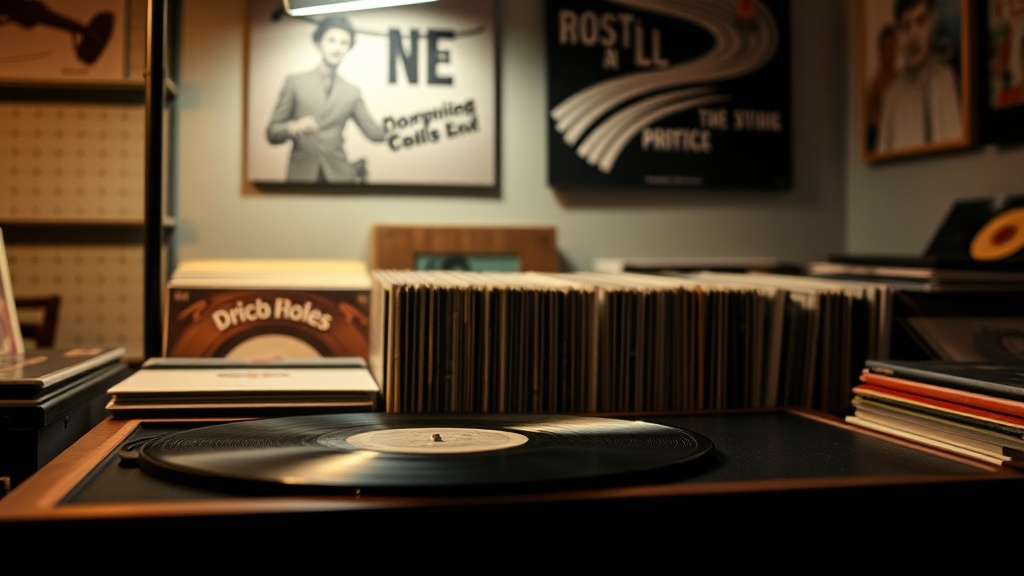
Creating a Curated Vinyl Collection from Scratch

Building a vinyl collection from zero requires a strategic approach to gear, sourcing, and listening habits. This guide covers the specific steps for selecting your first turntable, finding high-quality records without overspending, and maintaining your collection to ensure longevity. You'll learn how to move beyond the hype of "new" releases to find value in the used market.
What Equipment Do I Need to Start Listening to Vinyl?
You need a turntable, a phono preamp, a power amplifier, and speakers to hear your music. While many modern systems are "all-in-one," a modular setup offers much better sound quality and room for upgrades later. If you're just starting out, don't feel pressured to buy a high-end audiophile rig immediately.
The turntable is the heart of your setup. A decent entry-level model like the Audio-Technica AT-LP60X is a safe bet because it's automatic and relatively inexpensive. However, if you want something that grows with you, look at the Pro-Ject Debut Carbon. It's a manual player, but the build quality is much higher.
One thing to watch out for: avoid the "suitcase" players you see in big-box stores. Those cheap, battery-operated or briefcase-style players often have built-in speakers that sound tinny and can actually damage your records over time due to excessive vibration. It's a common mistake that ends up costing more in the long run.
To get the sound from the turntable to your ears, you need a signal chain. Most turntables output a very weak signal that needs a phono preamp to boost it. You can buy a dedicated box, or look for an amplifier with a built-in phono stage.
- Turntable: The device that reads the grooves.
- Phono Preamp: Boosts the signal (often built into modern receivers).
- Amplifier: Provides the power to drive the speakers.
- Speakers: Converts the electrical signal into audible sound.
If you're looking for a simpler path, many people use active speakers—meaning the amplifier is built right into the speaker itself. Brands like Klipsch or Audioengine make excellent pairs that pair well with a basic turntable setup. It saves space and reduces the number of cables cluttering your living room.
How Much Does It Cost to Start a Vinyl Collection?
A basic, functional setup typically costs between $400 and $700, depending on whether you buy new or used gear. This includes a starter turntable, a basic pair of powered speakers, and your first five records. If you're willing to hunt for used equipment, you can often shave 30% off that price.
Here is a breakdown of what to expect for different tiers of investment:
| Tier | Estimated Cost | Typical Gear |
|---|---|---|
| Budget Starter | $250 - $400 | Entry-level turntable, basic bookshelf speakers. |
| The Enthusiast | $600 - $1,200 | Mid-range manual turntable, dedicated amplifier, high-quality speakers. |
| Audiophile | $2,500+ | High-fidelity components, specialized phono stages, premium vinyl. |
Don't go overboard on your first purchase. It's easy to get caught up in the gear-lust, but the music matters more than the machine. I've seen people spend $2,000 on a setup only to realize they actually prefer the sound of a $300 system. Start small, listen, and then upgrade when you actually feel the limitations of your current gear.
When buying records, the price varies wildly. A new release from a major artist might cost $35, while a used classic from a thrift store could be $5. The goal is to build a collection that actually means something to you, rather than just buying whatever is on sale.
Where Should I Buy Vinyl Records?
The best places to buy vinyl are local independent record stores, online marketplaces like Discogs, and secondhand shops. Each method offers a different advantage depending on whether you want a specific rare pressing or just a cheap way to discover new music.
Local record stores are the gold standard for a reason. You get to see the physical product, check the condition of the sleeve, and—most importantly—talk to someone who actually knows their stuff. A good shop owner can point you toward gems you wouldn't have found on your own. Plus, supporting local businesses keeps the community alive.
For specific, hard-to-find pressings, Discogs is the industry standard. It's a massive database and marketplace where you can track the exact version of a record you're looking for. This is helpful because a "1977 original pressing" sounds very different from a "2021 reissue."
If you want to find deals, keep an eye on thrift stores and estate sales. You'll find a lot of junk, but you'll also find incredible bargains. Just be prepared to spend time cleaning up your finds—dust and scratches are common in these environments.
When buying online, always check the "grading" of the record. The Goldmine standard is a widely accepted system for grading the condition of vinyl (from Mint to Poor). If a seller lists a record as "Very Good Plus" (VG+), it means it's had some play but isn't damaged. If they just say "Used," be careful—it might be a gamble.
The Three Golden Rules of Sourcing
- Check the grooves: Always look at the record under a bright light to see if there are deep scratches.
- Inspect the sleeve: A damaged sleeve can make the record harder to store and look messy on your shelf.
- Listen to the description: If a seller says "some surface noise," expect to hear pops and clicks.
How Do I Care for My Records?
Proper care involves keeping your records clean, storing them vertically, and using a high-quality stylus. Neglecting these three things will lead to permanent damage and a dull sound profile.
First, cleanliness is everything. Dust is the enemy of a clean playback. Even a single hair or a speck of grit can cause a loud "pop" or, worse, a scratch. You should invest in a carbon fiber brush to use before every single play. It's a cheap tool that makes a massive difference. For deeper cleans, a wet cleaning system or a specialized record cleaning solution is a good idea.
Second, storage matters. Never stack your records on top of each other in a pile. The weight of the top records will warp the ones underneath, making them unplayable. They must always be stored vertically, like books on a shelf. Use sturdy dividers to keep them upright and straight.
Third, watch your stylus (the needle). The needle is a delicate piece of equipment. If it's worn out or dirty, it won't read the grooves accurately. You can buy a stylus cleaning gel or a small brush to keep it clear of debris. If you notice the sound quality dropping or getting "fuzzy," it's likely time to replace the needle or clean it thoroughly.
A well-maintained collection is a long-term investment. If you treat your records with respect, they'll sound great for decades. If you treat them like cheap plastic discs, they'll eventually become unlistenable. It's a matter of habit—just like how you might treat your high-quality clothing or furniture.
It's also worth noting that the environment matters. Extreme heat or humidity can warp your vinyl. Keep your record collection away from direct sunlight or radiators. A stable, climate-controlled room is the best place for your collection to live.
Steps
- 1
Identify Your Core Genres
- 2
Learn to Grade Record Condition
- 3
Source from Thrift Stores and Record Fairs
- 4
Invest in Basic Maintenance Tools