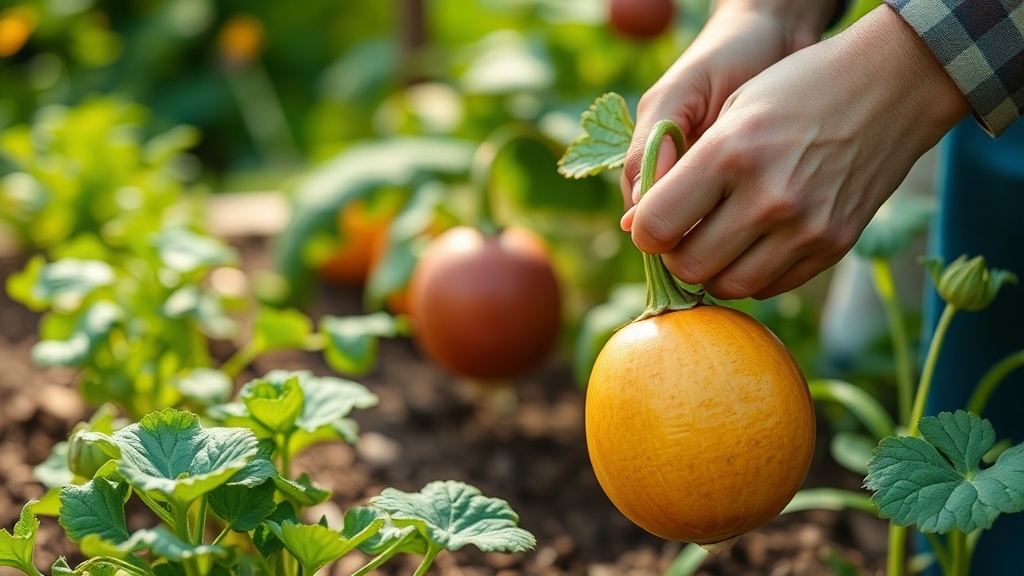
Cultivating a Sustainable Garden with Heirloom Seeds

This guide explains how to select, plant, and preserve heirloom seeds to build a sustainable, self-reliant garden. You'll learn the technical differences between heirloom and hybrid seeds, how to save your own seed stock for future seasons, and how to manage a garden that relies on natural cycles rather than chemical inputs.
What Are Heirloom Seeds?
Heirloom seeds are varieties that have been passed down through generations, often for decades or even centuries, and are prized for their distinct flavors and predictable traits. Unlike modern hybrids, these plants are "open-pollinated," meaning they can be bred true from seed to seed. This is the foundation of a sustainable garden because it allows you to keep the same plant lineage alive in your own backyard year after year.
When you buy seeds from a big-box retailer, you're often buying F1 hybrids. These are bred for high yields and uniform looks, but they don't produce seeds that are genetically identical to the parent plant. If you try to save seeds from a hybrid tomato, the next generation will be a bit of a biological lottery—you won't know exactly what you're going to get. Heirloom seeds don't have that problem. They are predictable, reliable, and carry a history.
If you want to see the scientific distinction between these types of plants, the Wikipedia entry on heirloom seeds provides a deep dive into the botanical side of things. It's worth noting that "heirloom" isn't a legal term in the same way "organic" is, but it represents a commitment to biodiversity and traditional farming methods.
Most heirloom varieties have a specific character. A Brandywine tomato, for example, isn't just a tomato; it's a specific experience of taste and texture that hasn't changed in a long time. This is why many gardeners find the process of growing heirlooms so rewarding—you aren't just growing food; you're preserving a living piece of history.
How Do I Start an Heirloom Garden?
Starting an heirloom garden requires focusing on soil health and selecting varieties that are well-suited to your specific local climate. You don't need a massive plot of land to do this successfully; even a few raised beds or large containers can work if you manage your resources well.
First, check your hardiness zone. I'm writing this from Calgary, where the growing season is relatively short and unpredictable. You can't just plant anything and hope for the best. You need to look for varieties that can handle your specific temperature swings. I highly recommend using the USDA Plant Hardiness Zone Finder (or your local equivalent) to see what actually thrives in your area.
Here is a basic checklist for your first season:
- Test your soil: You need to know your pH and nutrient levels before you add anything.
- Choose a sun site: Most vegetables need at least six to eight hours of direct sunlight.
- Select "Easy" varieties: For your first year, stick to things like pole beans, radishes, or certain types of squash.
- Invest in quality tools: A decent hand trowel and a sturdy watering can are much better than cheap plastic versions that break after one season.
Don't overcomplicate the setup. I used to think I needed a complex irrigation system, but a simple watering can and a consistent schedule are usually more than enough. It's better to be consistent than to be high-tech.
Comparing Heirloom vs. Hybrid Seeds
| Feature | Heirloom (Open-Pollinated) | Hybrid (F1) |
|---|---|---|
| Seed Saving | Can be saved and replanted easily. | Seeds won't grow true to type. |
| Flavor Profile | Often much more intense and varied. | Usually optimized for shelf-life/uniformity. |
| Disease Resistance | Variable; depends on the specific variety. | Often engineered for high resistance. |
| Biodiversity | Supports a wide range of genetics. | Promotes genetic uniformity. |
The main trade-off is that hybrids are often "tougher" in a commercial sense. They can handle more transport and have a longer shelf life. However, for a home gardener, the flavor of an heirloom vegetable is almost always superior. It's a different level of satisfaction.
How Do I Save Seeds for Next Year?
Seed saving is the process of harvesting, drying, and storing seeds from your healthiest plants so you can plant them again the following year. This is the ultimate goal of a sustainable garden—moving from a consumer to a producer.
The method depends entirely on what you are growing. You can't treat a bean seed the same way you treat a tomato seed. For example, beans are "dry" seeds. You let the pods turn brown and crispy on the plant, then harvest them. Tomatoes, however, are "wet" seeds. You have to ferment them in a bit of water to remove the gel coating before they can be dried properly.
- Identify the best plants: Only save seeds from the plant that looked the healthiest and produced the best fruit.
- Harvest at peak ripeness: If you pick the fruit too early, the seeds might not be fully developed.
- Clean the seeds: Depending on the variety, you may need to rinse or ferment them to remove pulp or gel.
- Dry them thoroughly: This is the most important step. If there is any moisture left, they will mold in storage.
- Store in a cool, dark place: Use airtight glass jars or paper envelopes.
One thing to keep in mind: if you grow different varieties of the same species near each other (like two different types of squash), they might cross-pollinate. If that happens, the seeds you save will be a "hybrid" of the two. They'll still grow, but they won't be exactly like the parent. It's a natural part of gardening, but it's something to watch for if you're a perfectionist.
I've found that keeping a simple garden journal is a lifesaver. Write down what you planted, when you planted it, and how the seeds performed. This isn't just about being organized—it's about creating a record of your local microclimate. This practice of documentation is actually quite similar to how I approach reclaiming focus through analog habits. It forces you to slow down and observe.
If you're looking for high-quality, reliable seeds to start with, look for reputable sources. Brands like Baker Creek Heirloom Seeds are well-known in the community for providing a massive variety of rare and interesting plants. Avoid the generic packets found in discount stores if you want true heirloom quality.
The process of saving seeds can feel a bit intimidating at first. You'll probably mess up a batch or two. That's fine. The point is the practice itself. You're learning the rhythm of your own land. Eventually, you'll have a collection of seeds that are specifically adapted to your garden's soil and weather patterns. That's when you've truly built a sustainable system.
It's a slow process, but it's a meaningful one. There's something deeply satisfying about eating a meal made from vegetables grown from seeds you saved yourself. It connects you to the seasons in a way that buying a bag of pre-packaged organic produce never will.