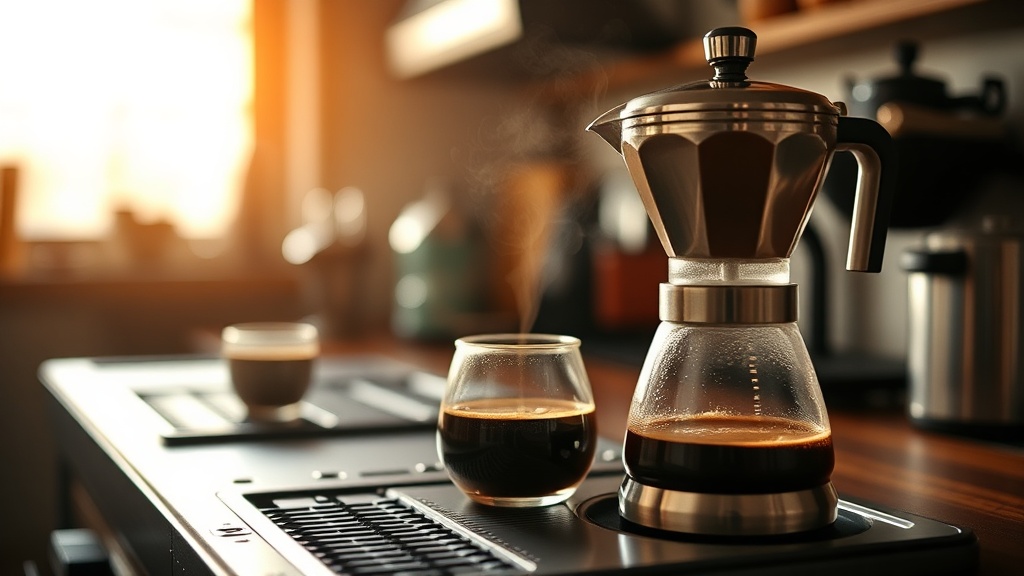
Savoring the Slow Morning with Manual Coffee Rituals

A person stands in a sunlit kitchen, watching a digital timer count down on a smartphone screen. They press a button on a plastic machine, and a loud, mechanical whirring fills the room. Within sixty seconds, a bitter, lukewarm liquid drips into a ceramic mug. It’s efficient, but it lacks any sense of intention. This guide explores the art of manual coffee brewing—specifically through the lens of the Chemex, the Hario V60, and the French Press—to help you reclaim your morning through tactile, slow-living rituals.
Most modern mornings are defined by speed. We rush through breakfast, scrolling through news feeds while a machine does the heavy lifting. While automation is great for productivity, it often strips the pleasure out of small daily habits. Manual coffee brewing changes that. It turns a caffeine delivery system into a meditative practice. It requires your presence, your hands, and a bit of patience.
Why Should You Switch to Manual Coffee Brewing?
Manual brewing forces a slower pace and provides a much higher level of control over the final flavor profile of your coffee. When you use an automatic machine, you’re at the mercy of the manufacturer's programming. When you use a pour-over or a press, you are the one deciding the temperature, the grind size, and the extraction time.
There’s a certain satisfaction in the tactile nature of it. You feel the weight of the kettle, the texture of the coffee grounds, and the steady rhythm of the pour. It’s a small way to practice analog habits that reclaim your focus. It’s not just about the caffeine; it’s about the transition from sleep to wakefulness.
Think of it as a sensory checkpoint. You aren't just consuming a beverage—you're engaging with a process. This might seem trivial, but in a world that feels increasingly digital and ephemeral, these physical rituals ground us. They provide a sense of stability before the chaos of the workday begins.
What Are the Best Manual Coffee Makers for Beginners?
The best manual coffee maker for a beginner is often the French Press because it is incredibly forgiving and requires very little technical skill. If you want more precision and a cleaner cup, a pour-over method like the Hario V60 or Chemex is the better route.
Choosing a method depends on how much time you want to spend and what kind of texture you prefer. Some people love the heavy, oily mouthfeel of a French Press, while others want the bright, tea-like clarity of a pour-over. Here is a breakdown of the three most common methods used in a slow-morning ritual:
| Method | Flavor Profile | Difficulty Level | Best For |
|---|---|---|---|
| French Press | Heavy, bold, textured | Very Low | People who want a consistent, rich cup |
| Hario V60 | Bright, acidic, clean | High | Coffee enthusiasts seeking precision |
| Chemex | Light, elegant, tea-like | Medium | A centerpiece aesthetic and smooth finish |
The French Press: The Reliable Classic
The French Press is the "old faithful" of manual brewing. It uses immersion-based brewing, meaning the grounds sit in the water for several minutes. This results in a heavy body and a robust flavor. It’s hard to mess up, though you should watch out for "sediment" at the bottom of your cup. If you use a high-quality grinder, you'll get much better results than using pre-ground coffee.
The Hario V60: The Precision Tool
The Hario V60 is a pour-over dripper that looks like a small funnel. It’s a favorite among professionals because it allows for incredible control. However, it requires a steady hand and a gooseneck kettle. If you pour too fast or too slow, the flavor changes instantly. It’s a learning curve, but once you master it, the clarity of flavor is unmatched.
The Chemex: The Aesthetic Icon
The Chemex is as much a piece of art as it is a coffee maker. Its glass silhouette is iconic, and it uses thick paper filters that remove almost all oils and sediment. This creates a very "clean" cup of coffee. It’s perfect for those who enjoy a light, bright brew that highlights the subtle notes of the bean.
How Much Does a Quality Coffee Setup Cost?
A complete manual coffee setup typically costs between $50 and $150 depending on whether you buy entry-level tools or premium-grade equipment. You can start very small, but the quality of your water and your grind will dictate your success more than the brand of the brewer itself.
Don't feel like you need to drop a fortune on a high-end espresso machine to enjoy better coffee. In many ways, the manual methods are much more affordable and much more durable. A single Chemex or a stainless steel French Press can last a decade if you treat it well. Here is a realistic budget breakdown for a solid starting point:
- The Brewer: $25 - $50 (A Hario V60 or a basic French Press).
- The Kettle: $30 - $80 (A gooseneck kettle is vital for pour-over precision).
- The Grinder: $40 - $100 (A manual hand grinder like a Hario Slim or a mid-range electric one).
- The Scale: $15 - $30 (A simple digital scale to measure water and coffee weight).
The most important thing to remember is that the water matters. According to the EPA guidelines on water quality, the composition of your water affects everything—including your coffee. If your tap water tastes heavily of chlorine, your coffee will too. Using filtered water is the easiest way to improve your brew without spending a lot of money.
How Do I Perfect My Manual Brewing Technique?
To perfect your technique, you must focus on the relationship between water temperature, grind size, and time. These three variables—often called the "Golden Trio"—determine whether your coffee tastes delicious or unpleasantly bitter.
If your coffee tastes too bitter, your extraction was likely too long or your water was too hot. If it tastes sour or salty, you didn't extract enough flavor—you probably need a finer grind or more time. It’s a constant process of tweaking and testing. It’s part of the fun!
- Freshness is everything: Buy whole beans and grind them right before you brew. The oils in coffee begin to oxidize the moment they are exposed to air.
- Temperature control: Don't use boiling water. Aim for roughly 195°F to 205°F. If you don't have a thermometer, let the kettle sit for a minute after it boils.
- The Bloom: When you start your pour-over, pour just enough water to dampen the grounds and wait 30 seconds. This releases CO2 (the "bloom") and allows the water to penetrate the beans more effectively.
- Use a Scale: Stop "eyeballing" it. Using a scale ensures that every cup you make is consistent with the last one.
It's easy to get caught up in the minutiae of "perfect" coffee, but don't let it become a chore. The goal is enjoyment, not perfection. If you're having a slow morning, the process should feel like a gift to yourself, not a test you have to pass.
Sometimes, the best part of the ritual is simply the silence. The steam rising from the carafe, the weight of the ceramic mug in your hands, and the realization that for the next ten minutes, you don't have to be anywhere else. That's the real value of a manual ritual—it gives you permission to be present in your own life.