
The One Daily Reset Ritual That Quietly Fixes Your Entire Life

Most people don’t need a life overhaul. They need a reset button they actually use.
Here’s the uncomfortable truth: your days don’t fall apart because of big decisions. They unravel quietly—through clutter, mental noise, unfinished tasks, and the constant low-grade stress of things you keep postponing.
The fix isn’t complicated. It’s not a productivity system or a 5AM routine. It’s a single habit done consistently: a daily reset ritual.

What a Daily Reset Actually Means
A reset is not about catching up on everything. It’s about closing the loop on your day so tomorrow starts clean.
Think of it as emotional and physical housekeeping. You’re not trying to win the day—you’re preparing the next one so it doesn’t start in chaos.
The people who seem “on top of life” aren’t magically disciplined. They’ve just eliminated friction between days.

The One Rule: Reset Before You Rest
This is the entire philosophy.
Before you fully switch off for the night—before scrolling, before TV, before collapsing into bed—you run a short reset ritual.
Not perfectly. Not obsessively. Just consistently.
It takes 20–30 minutes. That’s it.

What Goes Into a Proper Reset
This is where most people overcomplicate things. Keep it tight. Keep it repeatable.
1. Physical Reset (10 minutes)
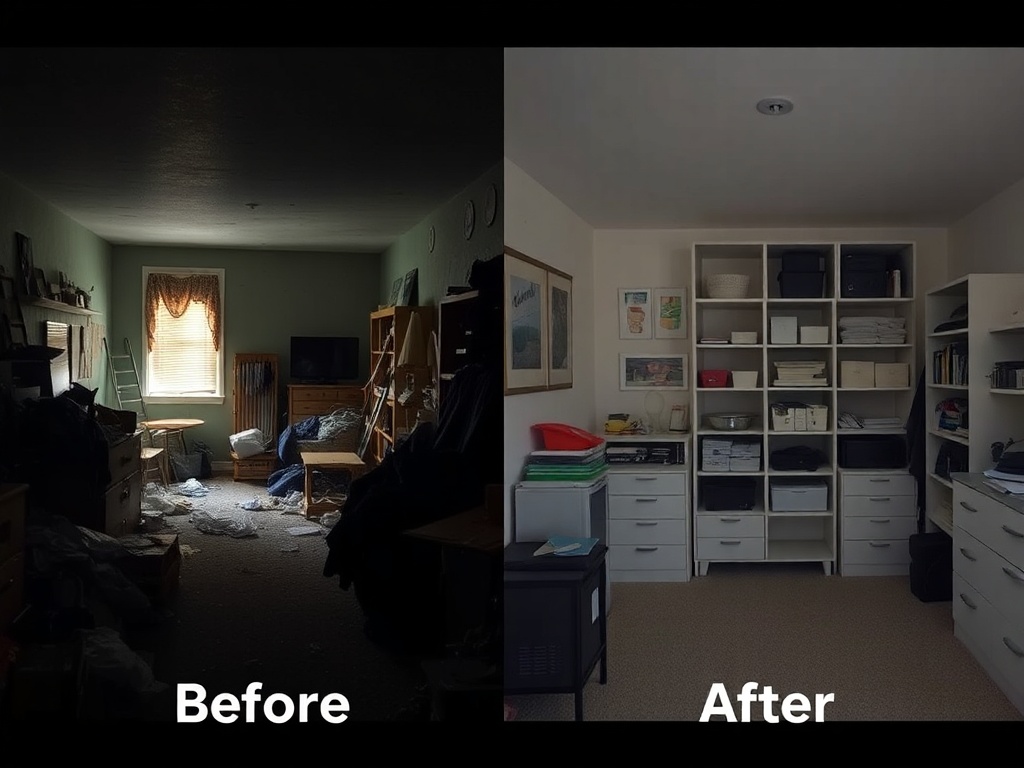
Clear surfaces. Dishes done. Clothes put away. Nothing dramatic—just enough so your environment doesn’t stress you out in the morning.
You’re not deep cleaning. You’re removing friction.
2. Mental Sweep (5 minutes)
Write down everything still bouncing around your head. Tasks, worries, ideas—get it out of your brain.
Your brain is terrible storage. It’s great at thinking, terrible at holding.
3. Tomorrow Setup (5–10 minutes)
Pick your top 1–3 priorities for tomorrow. Lay out what you need. Reduce decision-making in the morning to near zero.
If you can make your morning feel obvious, you’ve already won.

Why This Works Better Than Motivation
Motivation is unreliable. It spikes and crashes. A reset ritual bypasses that entirely.
You don’t rely on feeling good—you rely on a system that removes future resistance.
Waking up to a clean space, a clear plan, and zero mental clutter changes how you show up. It’s subtle, but it compounds fast.

The Hidden Benefits Nobody Talks About
You Sleep Better
Your brain relaxes when it knows nothing is “pending.” That quiet matters more than people realize.
You Procrastinate Less
When tomorrow is already structured, there’s less room for avoidance.
You Feel In Control Again
Not because life got easier—but because you stopped letting it pile up.

Common Mistakes That Kill the Habit
Making It Too Long
If it takes an hour, you won’t stick to it. Keep it short and boring.
Trying to Perfect It
Some nights will be messy. Do it anyway. Consistency beats intensity.
Skipping “Just Tonight”
That’s how the old chaos creeps back in.
How to Make It Stick (Without Willpower)
- Attach it to something you already do (after dinner, before shower, etc.)
- Set a visible cue (notebook on desk, timer reminder)
- Lower the bar (even a 10-minute reset counts)
The goal isn’t perfection. It’s momentum.

What Happens After 30 Days
This is where it gets interesting.
Your mornings feel lighter. Decisions feel easier. Your space stays cleaner without effort. Your stress baseline drops.
Nothing dramatic changes overnight. But everything starts working better.
That’s the real power of a reset—it doesn’t fix your life in one moment. It prevents it from quietly falling apart again.

Final Thought
You don’t need more hacks. You need fewer loose ends.
Start closing your days properly, and your life starts opening up in ways that feel almost unfair.
That’s the edge most people are missing.