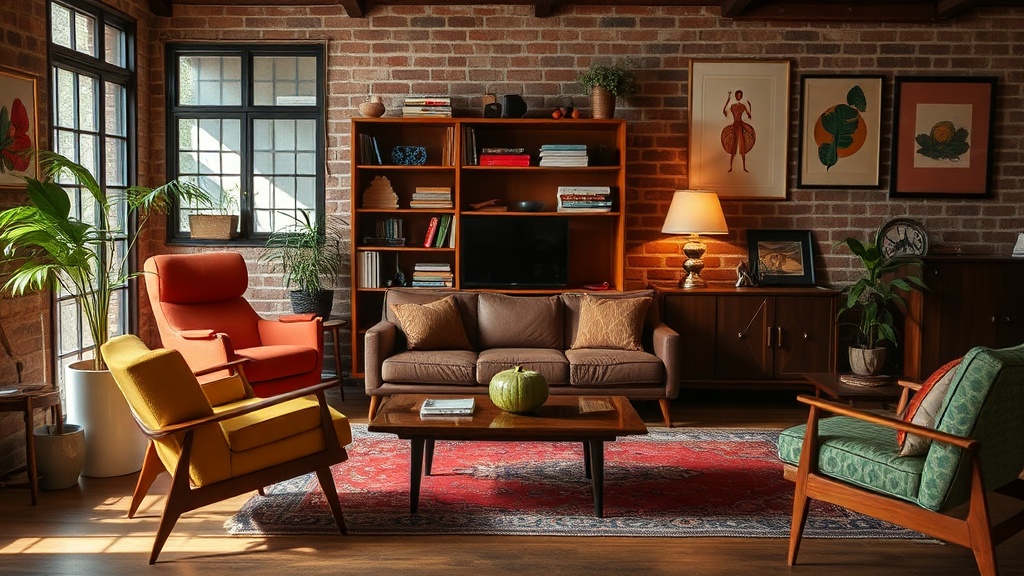
Finding and Preserving Mid-Century Modern Furniture

A collector walks into a local estate sale and spots a Teak sideboard that looks like it was pulled straight from a 1960s showroom. They pull out their wallet, only to realize the veneer is peeling and the legs are wobbly. This is the reality of the mid-century modern (MCM) market—the high demand for iconic design often leads to poorly maintained or even fake pieces. This guide focuses on how to identify authentic mid-century pieces, where to hunt for them, and how to keep them in top shape for decades.
Finding high-quality furniture requires more than just a quick search on a marketplace app. It takes an eye for detail and a bit of patience. You want pieces that possess character without falling apart the moment you move them into your living room.
Where Can I Find Authentic Mid-Century Modern Furniture?
The best places to find authentic mid-century modern furniture are estate sales, specialized vintage dealers, and online auction sites. While thrift stores are great for small decor, finding a solid piece like a Herman Miller armchair usually requires more targeted searching.
Estate sales remain the gold standard for collectors. These sales often occur in older homes where the original furniture hasn't been swapped out for modern trends. You might find a genuine Eames Lounge Chair sitting in a corner, untouched for forty years. It's a thrill, but you have to be fast—the good stuff goes first.
Online marketplaces like 1stDibs or Chairish are excellent for high-end, verified pieces, but the prices reflect that premium. If you're on a budget, keep an eye on Facebook Marketplace and Craigslist. The trick here is setting alerts for keywords like "Danish Modern," "Teak," or "Mid-Century."
Don't overlook local antique malls. Often, the smaller booths are run by collectors who actually know what they have. They might have a high-quality sideboard tucked in the back that isn't priced as aggressively as the "designer" items in the front windows.
If you're looking to build a lifestyle centered around quality goods, you might also enjoy creating a curated vinyl collection to complement your home's aesthetic. Both require a similar level of patience and a keen eye for authenticity.
What to Look for to Spot a Fake?
Check the weight, the joinery, and the material quality to distinguish a genuine vintage piece from a modern reproduction. Real mid-century furniture was built to last, often using solid hardwoods or high-quality veneers that feel substantial.
Look at the underside or the back of the piece. Most high-end furniture from that era—think brands like Knoll or Nelson—will have maker's marks or stamped labels. If there is no branding and the wood feels light or "plasticky," it's likely a modern imitation. It's a common way to save money, but it won't hold its value.
Examine the joinery. Real MCM furniture often features dovetail joints or mortise-and-tenon construction. If you see a lot of visible staples or cheap Phillips-head screws, walk away. That's a sign of modern, mass-produced furniture trying to mimic a vintage look.
Common MCM Materials vs. Modern Reproductions:
| Material Type | Authentic MCM Characteristic | Modern Reproduction Red Flag |
|---|---|---|
| Wood | Solid Teak, Walnut, or Rosewood | Lightweight particle board or thin veneer |
| Legs | Tapered, solid wood or metal | Plastic-coated or wobbly thin metal |
| Fabric | Heavy wool, textured linen, or leather | Synthetic-feeling polyester or thin cotton |
How Do I Preserve Mid-Century Modern Wood?
Preserving MCM furniture requires keeping it away from direct sunlight and using high-quality wood conditioners. Wood is a natural material, and it reacts to its environment just like we do.
Sunlight is the enemy. UV rays can bleach the rich tones out of teak and walnut, leaving your beautiful sideboard looking washed out and gray. If you have a piece near a window, use sheer curtains to diffuse the light. It's a small step that saves a lot of heartache later.
Humidity also plays a huge role. Drastic changes in moisture levels can cause wood to expand or crack. If you live in a climate with harsh winters, keep your furniture away from radiators or direct heat vents. You don't want your vintage sideboard warping because the living room is too dry.
When it comes to cleaning, less is more. Avoid harsh chemical sprays that can strip the finish. A simple, damp cloth is usually enough for daily maintenance. For deeper care, look for a specialized oil or wax specifically designed for teak or walnut. A little bit of application goes a long way (and please, don't use anything abrasive).
Maintenance Checklist:
- Dust weekly with a soft, lint-free cloth.
- Check for "blooming" (white cloudy spots) which can indicate moisture issues.
- Apply a high-quality furniture wax once or twice a year.
- Ensure all joints are tight; if a chair wobbles, look into wood glue or tightening the hardware immediately.
The goal isn't just to keep the piece looking "new"—it's to maintain its patina. That patina is what makes the piece feel alive. A little bit of wear is part of the story, but you want to prevent structural decay.
Sometimes, a piece needs more than just a dusting. If you find a piece with a scratched surface, a high-quality wood wax can often hide the imperfections. However, if the structural integrity is compromised, it might be time to consult a professional restorer. It's better to pay an expert than to accidentally ruin a piece of history with a DIY mistake.
It's worth noting that many people are afraid to touch their vintage items for fear of breaking them. That's a mistake. Using your furniture is what gives it purpose. A mid-century chair should be sat in; a coffee table should hold your books. Just treat it with respect and keep the environment controlled.
If you're also looking to refine your personal style, you might find my guide on building a vintage capsule wardrobe helpful. The philosophy is the same: invest in quality, look for authentic construction, and care for what you own.
The market for MCM is still growing, and the best pieces are often the ones that have been well-loved and well-maintained. By knowing what to look for and how to treat it, you're not just buying furniture—you're preserving a specific era of design history.